That’s the neat part; we don’t know. These fourrés were definitely struck with official coin dies. that means that either some of the mint workers had a lucrative side gig (very risky, counterfeiting was punishable by death), there were some very audacious thieves living in Rome at the time or, the most commonly accepted one; they were official coins temporarily debased for purposes of financing some whim of the emperor, most often a conquest but in Caligula’s case, excessive partying to the extent that his debauchery has become legendary.
TLDR: probably not counterfeits, just the state fucking over the common man. Nothing new under the sun.
That’s cool. Thanks! Mike Duncan goes into the various debasements a reasonable amount in his “History of Rome” podcast (cannot recommend this highly enough - I’ve listened to it twice through now) and I always assumed that it was in the form of just mixing in other metals before minting but that gives me a much clearer understanding.
Oh that definitely also happened but it was a more gradual process spanning the course of several emperors’ reigns in mostly the second half of the second century and the third century CE. First century coins are renowned to be of high silver content, current example excluded.
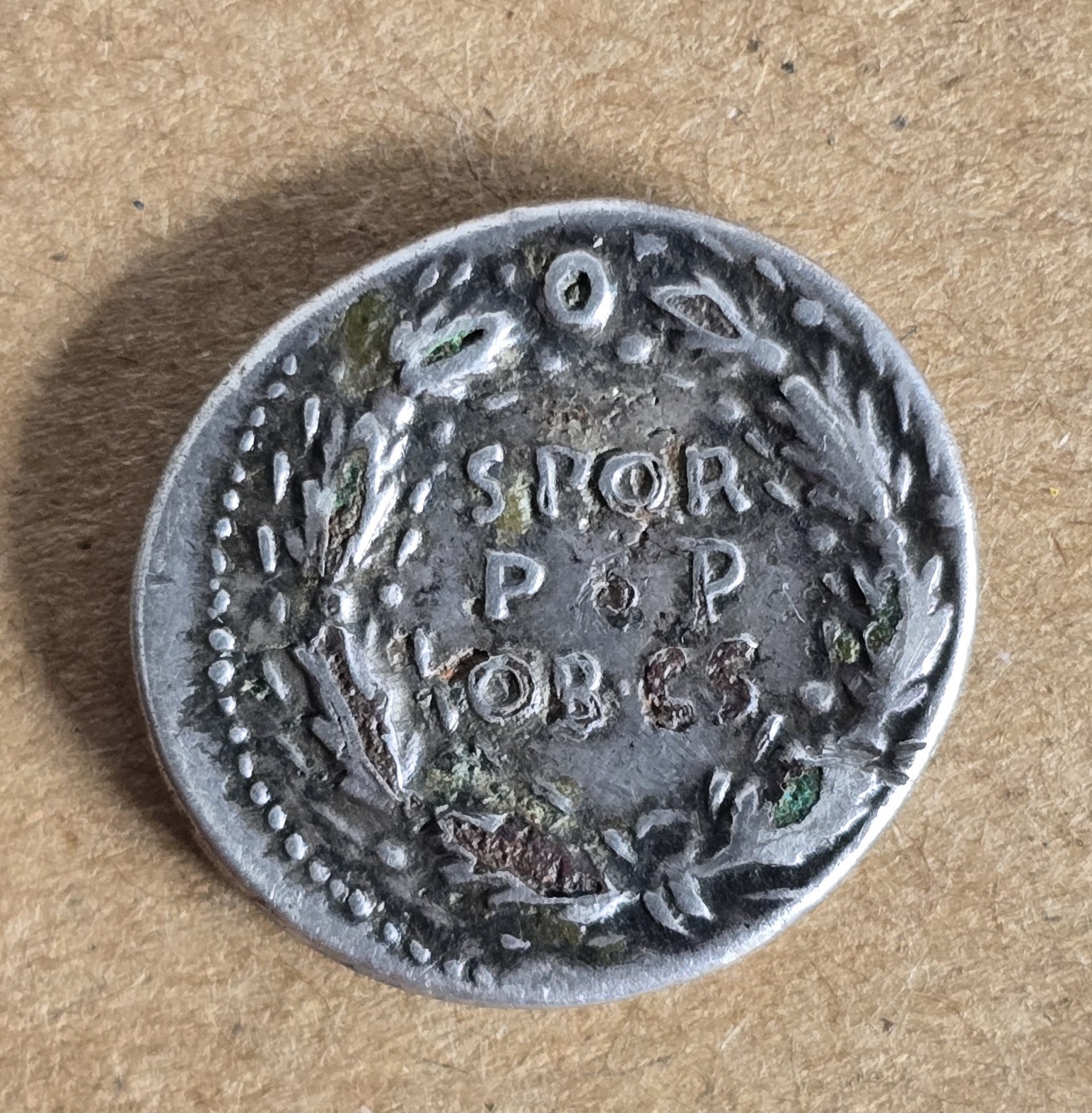


That’s the neat part; we don’t know. These fourrés were definitely struck with official coin dies. that means that either some of the mint workers had a lucrative side gig (very risky, counterfeiting was punishable by death), there were some very audacious thieves living in Rome at the time or, the most commonly accepted one; they were official coins temporarily debased for purposes of financing some whim of the emperor, most often a conquest but in Caligula’s case, excessive partying to the extent that his debauchery has become legendary.
TLDR: probably not counterfeits, just the state fucking over the common man. Nothing new under the sun.
That’s cool. Thanks! Mike Duncan goes into the various debasements a reasonable amount in his “History of Rome” podcast (cannot recommend this highly enough - I’ve listened to it twice through now) and I always assumed that it was in the form of just mixing in other metals before minting but that gives me a much clearer understanding.
Oh that definitely also happened but it was a more gradual process spanning the course of several emperors’ reigns in mostly the second half of the second century and the third century CE. First century coins are renowned to be of high silver content, current example excluded.