

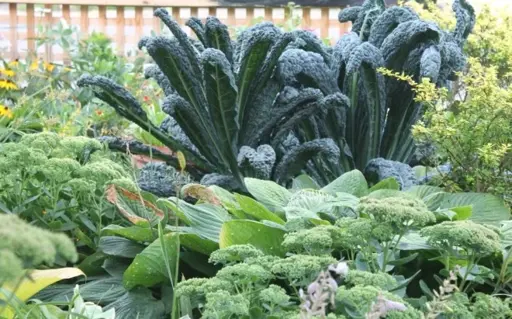
This page provides an “in-progress” alphabetical list of plants that I use successfully to eco print textiles and paper as described in my blog posts. The plants are garden-grown or foraged locally (in the Ottawa, Ontario area), with an emphasis on native plants for all North America, especially the north-east and that can also be grown in other parts of the world. I have given the common names in English and French, plus the scientific (Latin) names, noting briefly colours most often obtained in eco prints with alum mordant.
A superb and sciencey documentation of one person’s journey printing with natural materials. There are quite a few pages on the site on the subject of natural dyes and eco-printing, including a how-to on raw material printing.
Anyone can make mordants and adjuncts, which are metallic salts.
A mordant is applied before the dye while an adjunct is applied after, and can drastically change the colour.
You just have to toss some raw steel wool into a jar of vinegar (I use cleaning vinegar because it’s twice as strong as food-vinegar.) Or old copper bits (I use broken speaker wire I get for free from the second hand store.) If you suspend the copper over the vinegar in a jar and leave it in a warm place, it will develop verdigris which you can use as a pigment on its own.