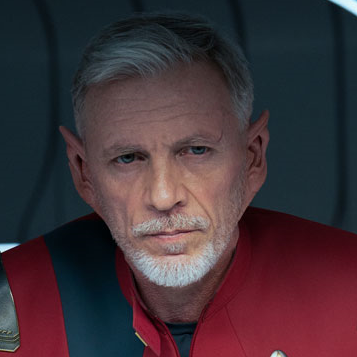


Brittin joked during the town hall that he “got in trouble” for his Doctor Who comments, which generated headlines in national newspapers. He also expanded on his thinking, stressing that human-led creativity would always be at the heart of the BBC’s mission.
“I was just trying to make the point: Look at the pace of change and what this stuff can do. It’s really important. I’ve spent a lot of time on this, as you can imagine,” he explained.
“We have to understand what it’s capable of, for good and for ill, and that means things like the risk of our journalistic integrity being undermined. You want to know that that is Steve Rosenberg in Moscow and not an AI-generated state actor-backed facsimile of him, and we need to understand those risks.”
He continued: “Equally, AI can help tools on research, journalists using things like Notebook is hugely powerful. So we’ve got to put it to work. What I want to do is accelerate the velocity of testing and learning in this space because it’s vital to the integrity of what we do. It will help us to be more effective in a more efficient in some ways, and there are some creative opportunities that come through too.”
“But I want to be really clear: Humans are leading, and I believe in human creativity, enhanced by whatever tools. We’re surrounded by technology today. It’ll be different technology tomorrow. But the BBC has to stand for human trust, using the best technology.”
Geez, who’d’ve imagined thinking before you speak could have saved you all of that backpedaling.
See, this is why you’ll never be an executive.
What? Oh, yes. Sure, “never” 🤔😅
