You must log in or # to comment.
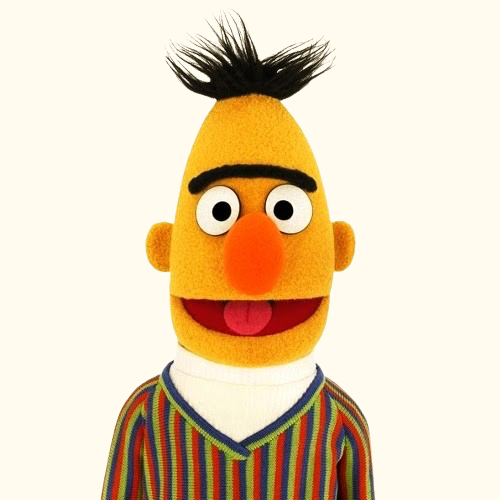
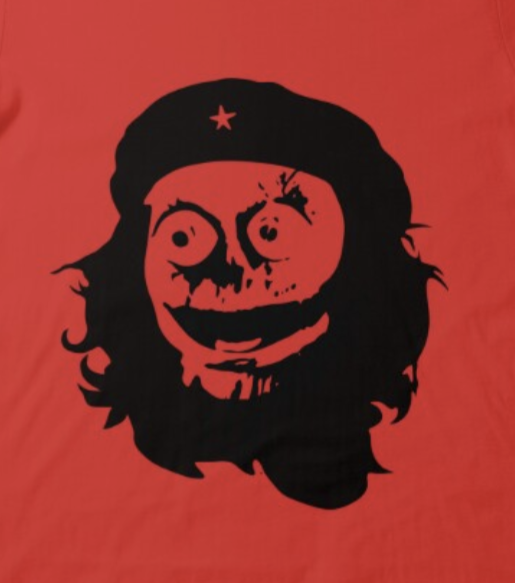
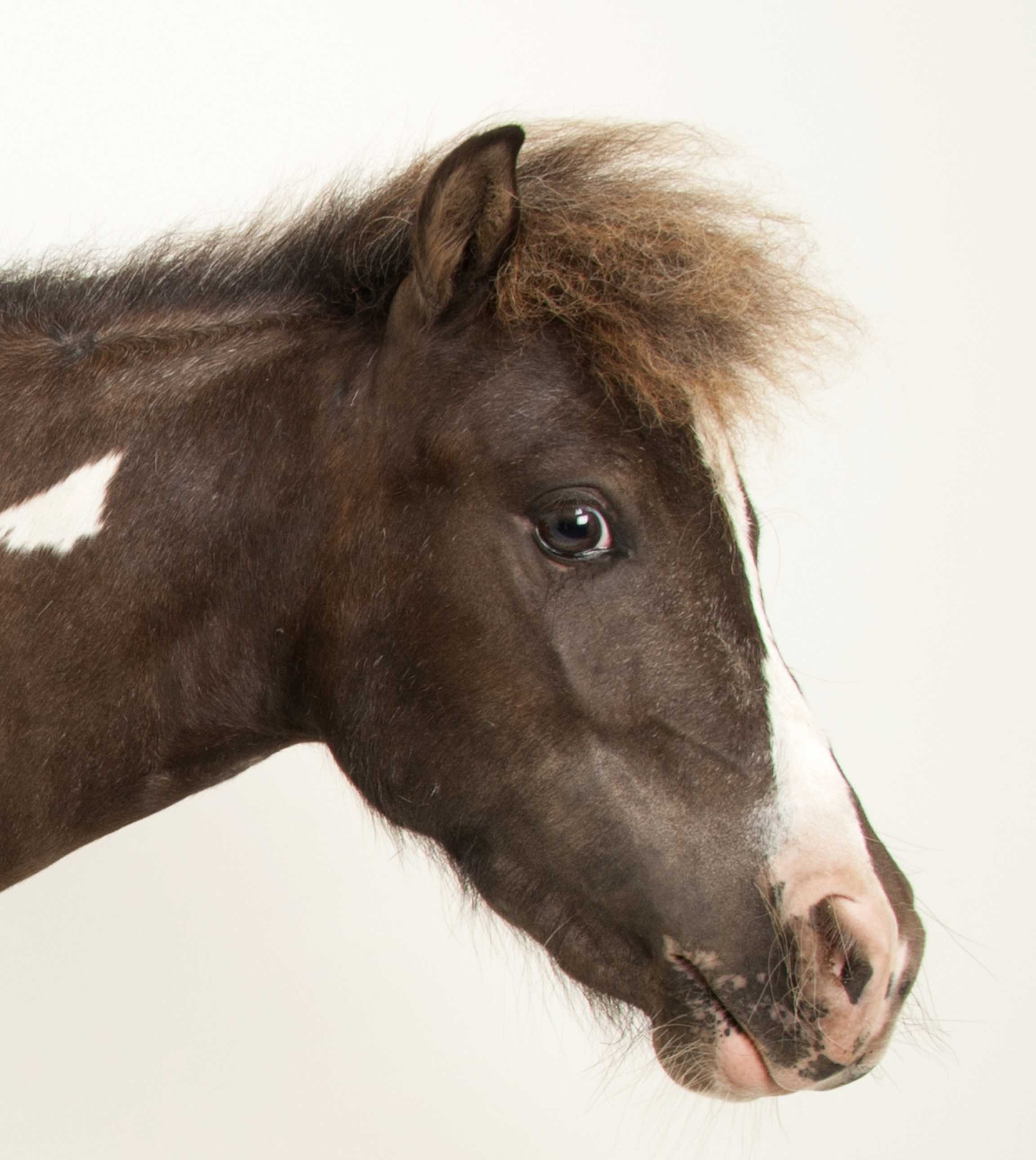
:overthinking:
admins plz i need this
Plz mods can i have this one?? I promise I won’t want anyother emoji, I’ll help around the site and get high upvotes pls just let me have the toy
Wouldn’t stuff have to be underhappening to give the impression of overthinking?
Overhappening doesn’t mean more things that happen. It means the same number, or perhaps fewer, things which happen, but with a greater magnitude and vitality.
You want to do this? You want to argue about made up words? Then I’ll need a full proof of how your definition disproves what I said. Thesis on my desk by morning.
Let
t_n = a_n * tbe the objective thought content contained in event
n;Then the total thought content
TinNevents is given byT = Σ a_n * tSuppose the following law is empirically observed: As
Ntends toward infinity, the sumTapproaches proportionality to the number of eventsN; in other words,T = aNwhere
ais a constant, an empirical average amount of thought content for a single event. (The larger the series of events, the more that larger and smaller events “cancel out”.)The total thought content
Tcan rise for two reasons, since it is a product: either of its factorsaorNcould increase. The same is true for a decrease in the respective quantities.Suppose comrade Luisa applies
2Tof thinking to a series ofNevents. How can one explain this?Possibility A: The proportionality law applies. The actual content of the events is
T, but Luisa thought twice as hard as necessary per event.Possibility B: The proportionality law does not apply, because the number of events is not statistically large. Therefore she happened to observe an uncharacteristic set of events with large thought content
T_observed = Σ a_n * t >> T_averageYour post seems more like Possibility A because that is when the number of events is thought to be overestimated from the applied thought.
Holy shit, you actually did it
Welcome to 2026 bub

'25,'24,'23pre ‘23
it’s fitting that the rat looks stoned