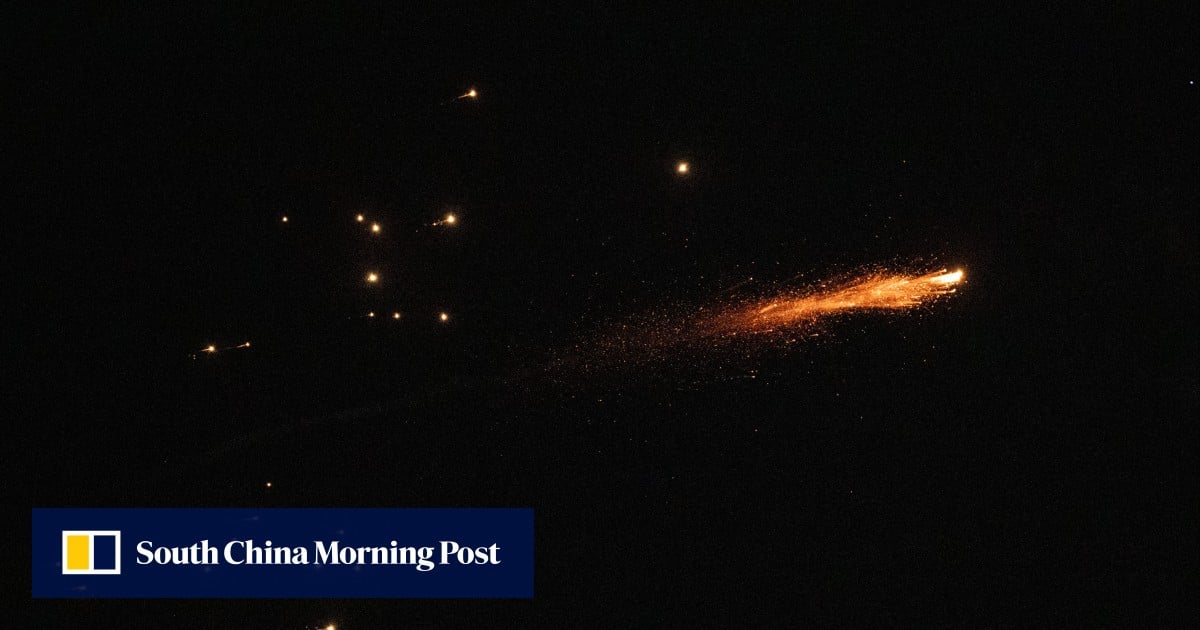
“However, because the heat generated by high-speed travel through the atmosphere can blind the infrared sensors used to lock onto targets, these interceptor missiles are only effective against targets outside the atmosphere, which is above 100km (62 miles),”
I wonder how much of this is simplified. Interceptors need to worry about not locking onto the heat signature of the Sun. At such temperatures - and the blur that would be caused by the atmosphere heating up - I’m sure it would be tricky engineering to distinguish a missile from the sun while tracking a multi-thousand degree heat signature.
Interceptors need to worry about not locking onto the heat signature of the Sun.
Do they? This doesn’t seem like an issue, the Sun is so far away that any heat it generates would be so diffuse as to not be an issue, right? The moon would provide a larger source of heat than the Sun would, to an Earth based sensor given the two objects distance from the Earth, right?


I wonder how much of this is simplified. Interceptors need to worry about not locking onto the heat signature of the Sun. At such temperatures - and the blur that would be caused by the atmosphere heating up - I’m sure it would be tricky engineering to distinguish a missile from the sun while tracking a multi-thousand degree heat signature.
Do they? This doesn’t seem like an issue, the Sun is so far away that any heat it generates would be so diffuse as to not be an issue, right? The moon would provide a larger source of heat than the Sun would, to an Earth based sensor given the two objects distance from the Earth, right?